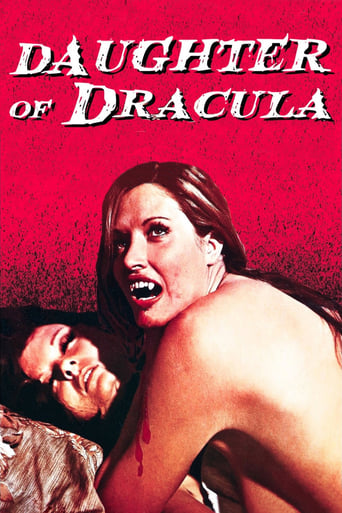
Daughter of Dracula
La fille de Dracula
Luisa is called to the bed of her dying mother Edith at Karlstein Castle. Before she dies, she tells Luisa that the Karlsteins are a family of vampires and that her ancestor, the original Count Karlstein, lies buried in the crypt. Afterwards, Luisa goes and finds the count's coffin and discovers that he is undead. As she takes Karine, her cousin as her lover, a police inspector, Ptuschko investigates a series of killings around the town, dismissing the locals who insist these are being caused by vampires.
Why it matters
A late-period Hammer vampire tale blending gothic atmosphere with early ’70s sexual frankness, Daughter of Dracula offers a curious crossover of classic horror tropes and emerging genre sensibilities.
- Hammer’s signature castle-bound mood and shadowy visuals, though flirting with camp, retain a brooding, claustrophobic vibe
- Unapologetically queer for its era, the film explores forbidden desire layered atop vampire mythology
- Balances traditional vampire lore with a police procedural angle, reflecting shifting genre trends of the early ’70s
- For fans of Hammer’s twilight years or vampire cinema’s transitional phase, it’s a fascinating if flawed artifact—practical effects modest but effective, performances uneven but earnest
Director

49 horror films in catalog

The Awful Dr. Orlof 1962
The Sadistic Baron Von Klaus 1962
Dr. Orloff's Monster 1965
The Diabolical Dr. Z 1966
Succubus 1968

Venus in Furs 1969
99 Women 1969
Two Undercover Angels 1969
Kiss Me Monster 1969
Marquis de Sade: Justine 1969
The Bloody Judge 1970
Count Dracula 1970
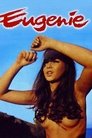
Eugenie 1970
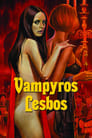
Vampyros Lesbos 1971
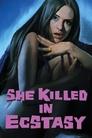
She Killed in Ecstasy 1971
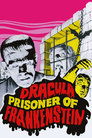
Dracula, Prisoner of Frankenstein 1972
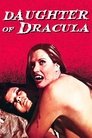
Daughter of Dracula 1972

The Other Side of the Mirror 1973
Female Vampire 1973

Eugenie de Sade 1973
The Erotic Rites of Frankenstein 1973
A Virgin Among the Living Dead 1973
The Sinister Eyes of Dr. Orloff 1973
The Demons 1973

Lorna, the Exorcist 1974
Night of the Skull 1974
How to Seduce a Virgin 1974

Countess Perverse 1975

Exorcism 1975
Barbed Wire Dolls 1976
Love Letters of a Portuguese Nun 1977
Sexy Sisters 1977
Love Camp 1977
Greta, the Mad Butcher 1977
Call of the Blonde Goddess 1977
Burning Up Inside 1979
The Sadist of Notre Dame 1979

White Cannibal Queen 1980
Devil Hunter 1980
Sadomania 1981
Bloody Moon 1981
Mansion of the Living Dead 1982

Oasis of the Zombies 1982
Diamonds of Kilimandjaro 1983
Macumba Sexual 1983

Night Has a Thousand Desires 1984
Faceless 1988
Vampire Killer Barbys 1996
Lust for Frankenstein 1998
Cast





Horror DNA
⚠ Limited data — scores are approximate
Gore
17
Slow Burn
30
Psychological
16
Supernatural
20
Creature
55
Disturbing
26
Fun Factor
60
Cerebral
21
Survival
28
Vampire